
3D Printed Automotive Parts: What Can You Actually Make in India?
Reading contents:
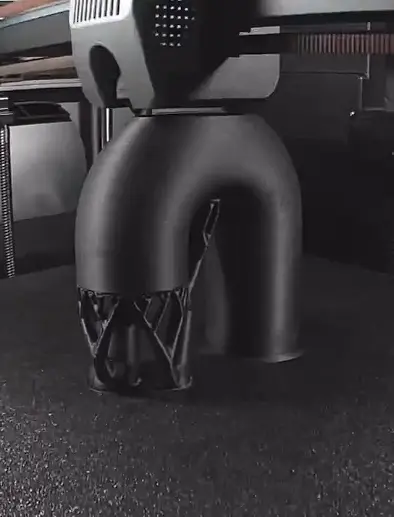
Automotive 3D Printing in India: Separating Hype from Reality
A standard PLA print left on a Bangalore car dashboard in April will warp into a puddle of plastic in under two hours. Because of that, many engineers wrongly assume all 3D printing is unsuited for vehicular use.
In reality, production engineering thermoplastics like ASA, ABS, and Carbon Fiber Composites have high glass transition temperatures (95°C to 150°C) and superior tensile strength, making them ideal for low-volume automotive production, vintage restoration, and custom motorcycle fabrication.
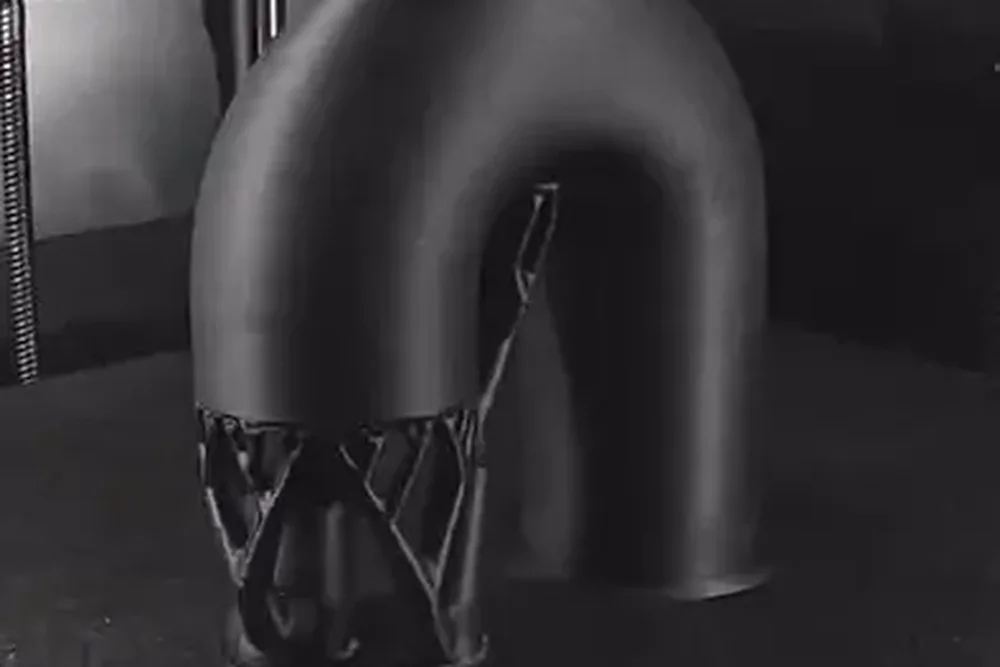
1. Interior Cabins & Dashboard Accessories
Interior vehicle components face extreme trapped greenhouse temperatures during Indian summers (often 70°C+), but zero direct rainwater or road gravel.
Ideal applications include custom gauge pods, mobile phone dashboard mounts, switch blanks, wireless charging consoles, and HVAC duct adapters. We print these predominantly in heat-resistant ABS because it can be sanded, primed, and coated in matte automotive black to perfectly match factory OEM textures.

2. Exterior Bodywork & Aerodynamic Trims
Exterior parts face the toughest environmental onslaught: continuous UV radiation, driving monsoon rain, flying gravel, and aggressive car wash shampoos.
For exterior aerodynamic diffusers, wing mirror caps, license plate brackets, and front grille inserts, ASA is the mandatory gold standard. As detailed in our PETG vs ASA vs ABS guide, ASA’s acrylic ester elastomer makes it impervious to UV degradation, preventing the chalking and cracking that ruins ABS outdoors.
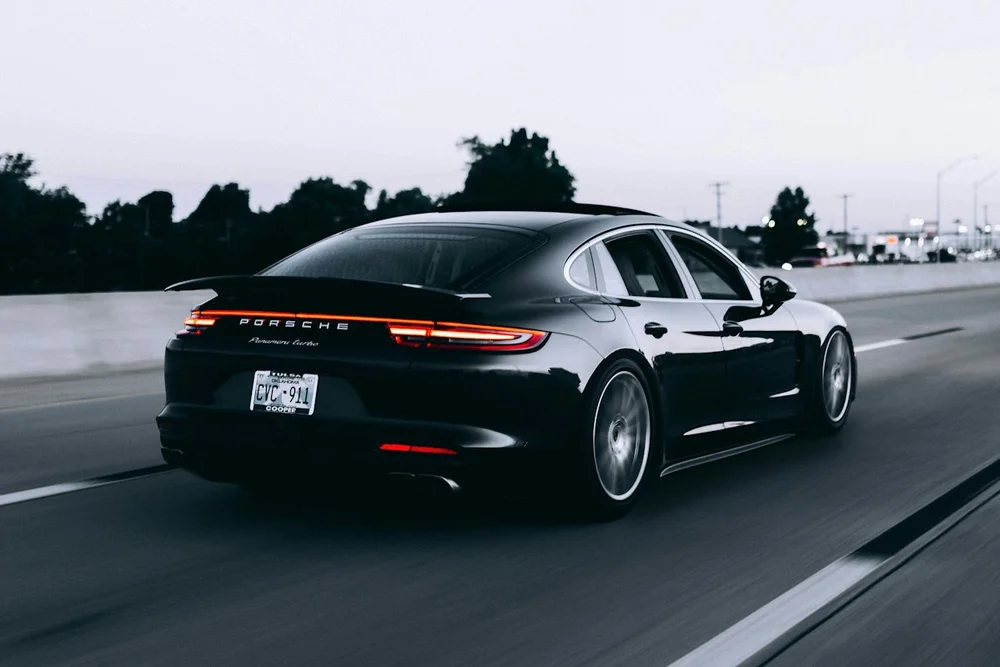
3. Under-the-Hood & Engine Bay Applications
Under-bonnet components must resist high radiant engine heat, motor oils, coolants, and intense mechanical vibration.
We produce custom cold-air intake scoops, cable brackets, ECU mount enclosures, and breather catch-can mounts using Carbon Fiber Nylon (PA-CF) and high-infill ABS. Carbon-fiber chopped strands provide dimensional stability up to 140°C while drastically cutting component weight.
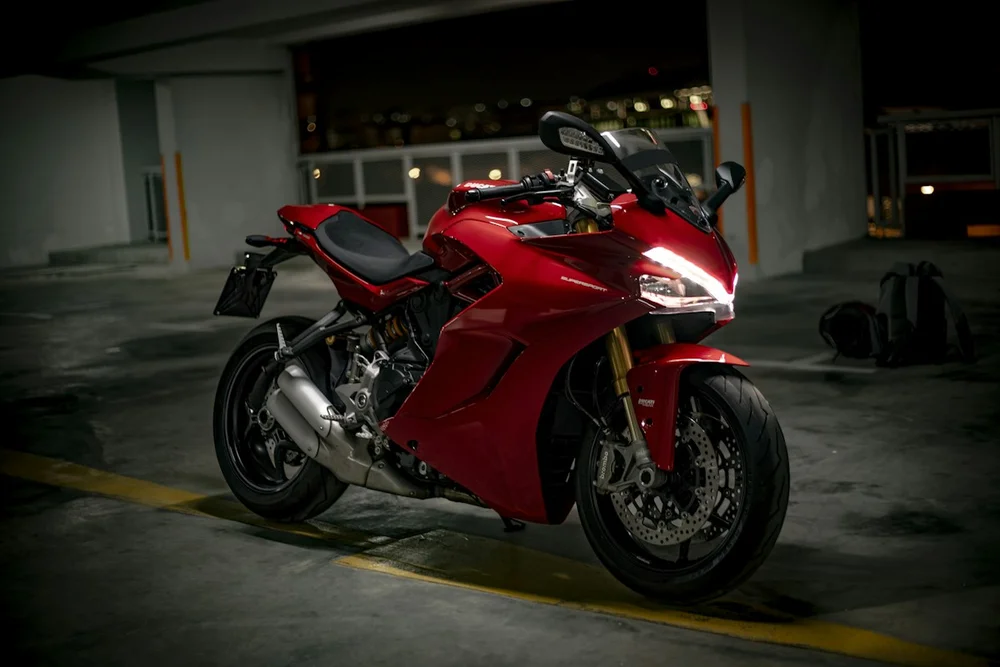
4. Custom Motorcycle Accessories (Royal Enfield & Adventure Bikes)
Custom motorcycle builds—especially across Bengaluru's vibrant Royal Enfield, Himalayan, and KTM community—demand parts that look artisanal yet endure rough off-road terrain.
Sculptex regularly prototypes and low-volume manufactures headlight brackets, custom tail-tidies, fork protectors, indicator housings, and GPS navigation mounts. Using outdoor-rated ASA and shock-absorbing PETG ensures these components absorb engine vibrations without snapping.
Automotive 3D Printing Material Matrix
Here is how we match vehicular zones to specific 3D printing filaments at our Bangalore studio:
| Zone | Key Stress Factors | Recommended Material | Finishing Options |
|---|---|---|---|
| Dashboard / Cabin | High cabin heat (70°C+) | ABS or ASA | Textured matte paint, sanding |
| Exterior Body | UV rays, monsoon rain, stones | ASA | Automotive clear coat, UV primer |
| Engine Bay | Radiant heat (100°C+), oil contact | Carbon Fiber Nylon (PA-CF) | As-printed technical finish |
| Chassis / Brackets | Continuous road vibration, knocks | PETG or PA-CF | Light deburring |

Frequently Asked Questions
Can 3D printed car parts be legally used on roads in India?+
Yes, non-structural aesthetic trims, interior consoles, brackets, sensor mounts, and visual accessories are completely legal and standard practice in custom fabrication. Structural chassis or safety-critical crash components should always be certified by automotive testing agencies.
Why should I not 3D print car parts in PLA?+
PLA has a glass transition temperature of only 55°C. Inside a parked car in India, temperatures easily exceed 65–75°C, causing PLA parts to warp, deform, and lose all structural integrity within hours.
How do you achieve a factory OEM finish on 3D printed car parts?+
We use engineering ABS and ASA, sand through progressive grits (240 to 800), apply high-build automotive primer, and finish with UV-resistant polyurethane paints or chemical vapor smoothing to eliminate all layer lines.
Related Topics & Keywords