
Custom 3D Printed Motorcycle Parts for Royal Enfield: Materials, Durability & Build Guide
Reading contents:
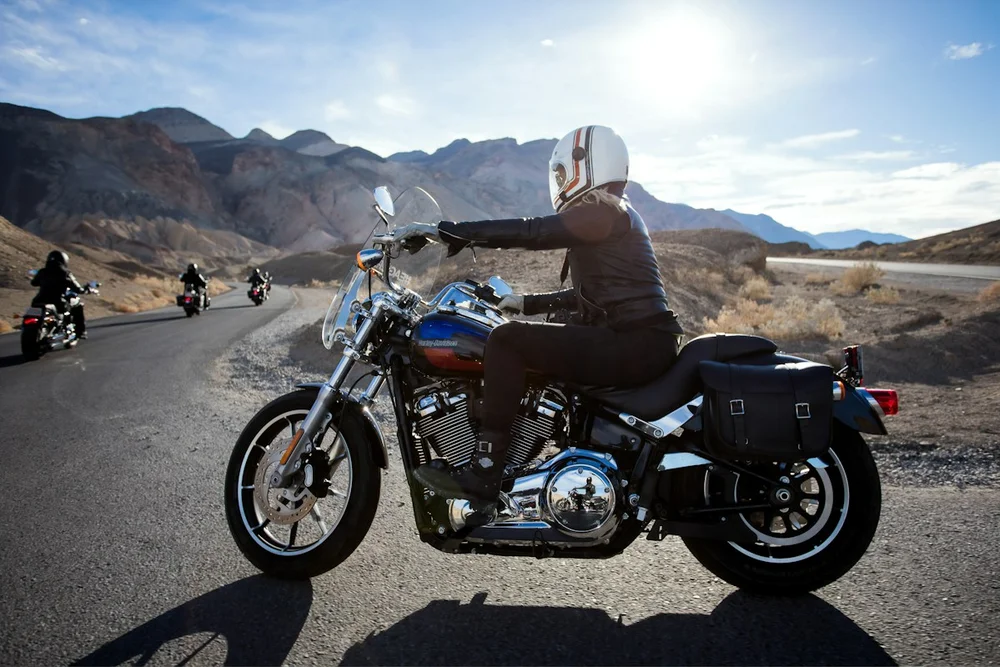
Why 3D Print Custom Royal Enfield Accessories?
Motorcycle enthusiasts often want tailored ergonomics: bespoke switch brackets, GPS phone mounts, aerodynamic cowl vents, or lightweight intake scoops. Tooling up injection molds costs lakhs of rupees, making small custom batches impractical.
Industrial 3D printing enables custom-fitted components with zero tooling cost. However, a motorcycle part must survive engine block radiant heat (exceeding 85°C), continuous vibration, petrol splashes, and intense tropical sunlight.

Why ASA Beats PLA and ABS for Motorcycles in India
Motorcycles parked outdoors in Bangalore or touring across Rajasthan face punishing ultraviolet radiation and blistering heat. For a detailed property comparison, review our guide on PETG vs ASA vs ABS: which 3D printing material to choose.
While ABS provides decent heat deflection, sunlight rapidly degrades the butadiene rubber in ABS, making parts brittle and bleached within months. ASA replaces butadiene with acrylate rubber, delivering permanent UV resistance without color fade or micro-cracking.
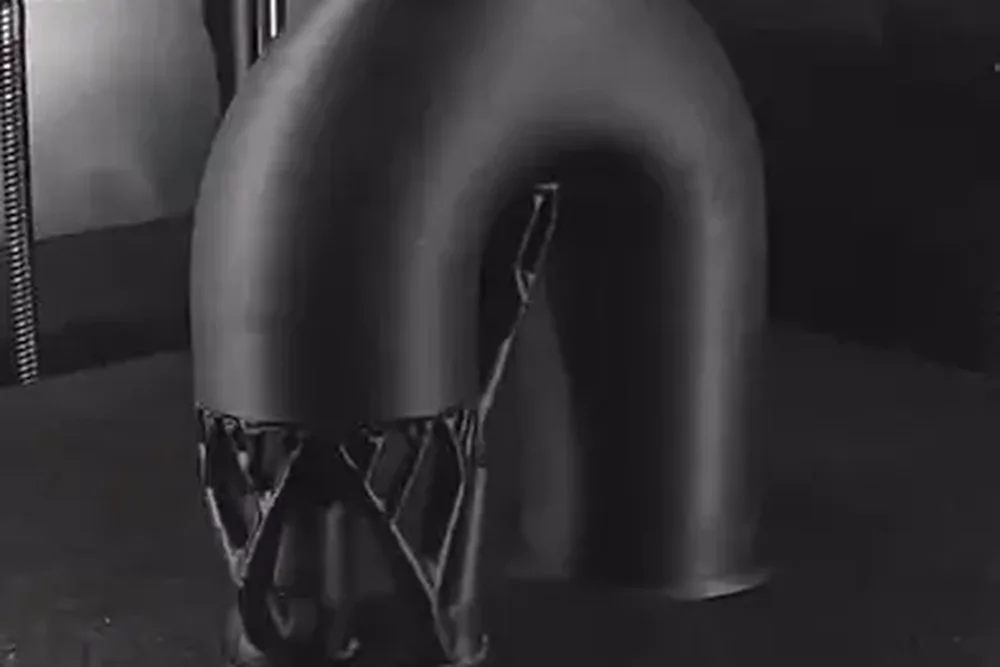
Real Builds: Classic 350 Intake Manifold & Handlebar Switch Housing
Here are two real-world motorcycle components fabricated on our print farm in Bangalore:
- Classic 350 Custom Air Intake Manifold: Printed in chemical-resistant high-temp polymer, smoothed, and pressure-tested to ensure continuous airflow without vacuum collapse or fuel vapor swelling.
- Handlebar Auxiliary Switch Gear: Printed in matte black ASA, engineered to house waterproof push-buttons for auxiliary fog lights with flush internal cable channels.
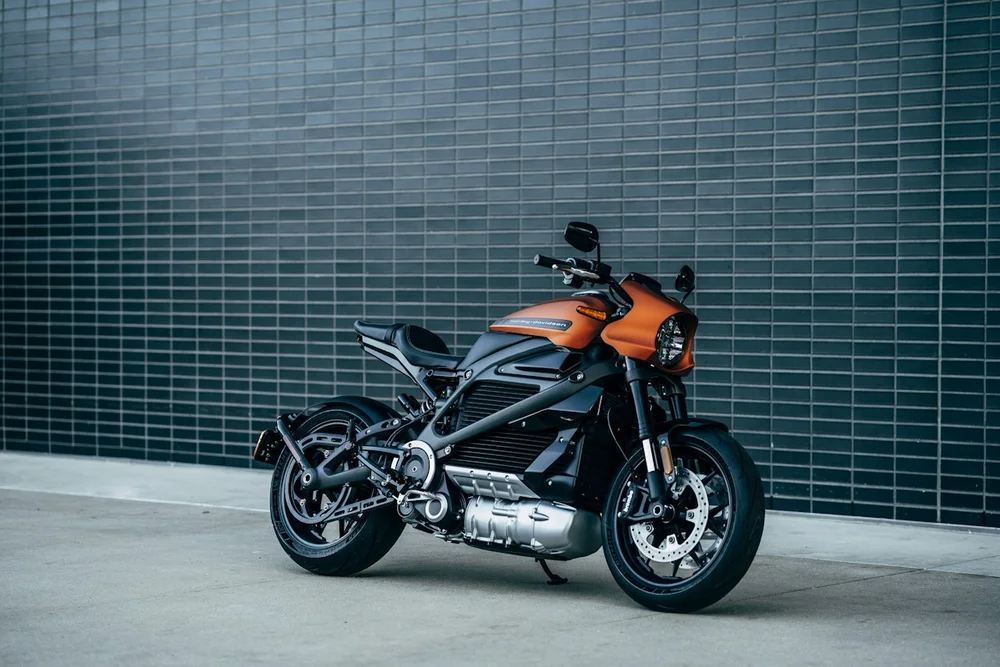
Design for Motorbike Durability: Vibration & Heat Rules
To guarantee motorcycle components never crack during high-RPM thump, our design engineers apply strict Design for Additive Manufacturing (DfAM) guidelines:
- Generous Fillets: Eliminate sharp 90° corners which act as stress concentrators under single-cylinder thump.
- Thick Wall Perimeters: Use at least 4 to 6 solid perimeter walls (1.6mm – 2.4mm) rather than relying on infill.
- Brass Heat-Set Threaded Inserts: Never tap threads directly into plastic. We melt brass threaded inserts into pockets so bolts torque down securely.
- Orient for Shear Stress: Sliced so layer lines run perpendicular to the direction of maximum tensile pulling force.

Vibration Damping & Road Testing in Indian Conditions
Single-cylinder engines produce aggressive low-frequency vibrations that can fatigue 3D printed layers if parts are mounted rigidly without compliance.
We road-test our components across hundreds of kilometers of rough Bangalore asphalt and monsoonal potholes, pairing ASA prints with EPDM rubber isolators to guarantee years of reliable touring.
Frequently Asked Questions
Can 3D printed parts on a Royal Enfield withstand engine heat?+
Yes, provided they are printed in ASA, ABS, or Carbon-Fiber Nylon. These engineering polymers withstand temperatures between 95°C and 140°C, which is ideal for air intakes, battery covers, and brackets.
Will ASA bike parts fade or crack in Indian summer sunlight?+
No. ASA (Acrylonitrile Styrene Acrylate) is inherently UV-stabilized and is the same polymer major automotive OEMs use for exterior rearview mirrors and front grilles.
How do I mount 3D printed accessories without cracking them?+
We incorporate brass heat-set threaded inserts and rubber vibration-damping washers into our designs. This allows fasteners to be torqued down firmly without compressing the 3D printed plastic.
Can I paint 3D printed parts to match Royal Enfield factory paint?+
Yes! ASA and ABS can be easily sanded through 800 grit, sprayed with high-build automotive primer, and finished with 2K polyurethane paint matched to OEM shades.
Related Topics & Keywords